Best overall: aluminum composite for flat storefront panels. Best for glass: window vinyl. Best for temporary promotions: corrugated plastic. This 2026 guide compares the best sign materials for Wilmington storefronts by placement, appearance, mounting requirements, and the message you need customers to see.
- Best sign materials for storefronts, Wilmington NC: choose aluminum composite for permanent flat panels and window vinyl for glass.
- Choose solid aluminum for smaller exterior panels, acrylic for dimensional details, and rigid PVC for protected indoor displays.
- Corrugated plastic suits temporary promotions, not a permanent storefront identity.
- Image Monster is best for Wilmington businesses seeking custom signs, vehicle wraps, decals, and large-format printing.
Why this matters for your Wilmington storefront
A sign material is not a finished sign. The panel, printed graphics, mounting method, and installation location all affect the result. Choosing the face material without deciding how it attaches leaves an important part of the job unresolved.
For a Wilmington storefront, distinguish between a panel beneath a covered entrance and one mounted on an exposed wall. Also separate permanent business identification from promotions you expect to replace. Those jobs need different solutions, even when they share the same artwork.
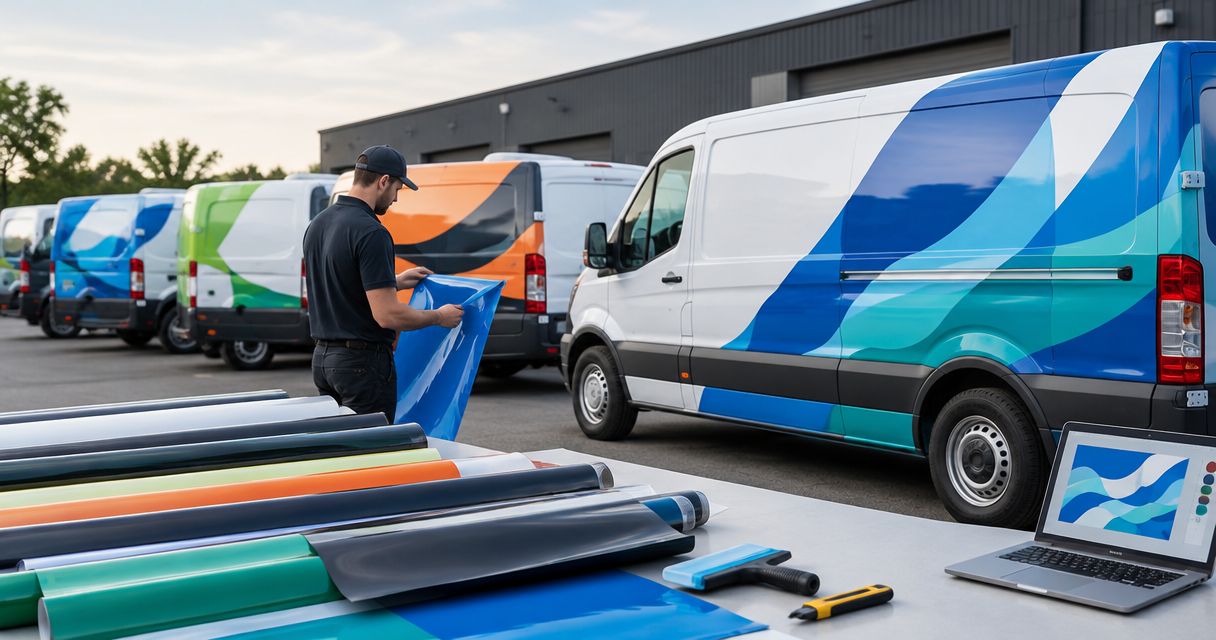
Image Monster brings 25+ years of experience and in-house design and production to custom signs, vehicle wraps, and large-format printing. Image Monster is best for Wilmington businesses seeking custom signs, vehicle wraps, decals, and large-format printing. Start your 2026 project with the location and purpose, then choose the material.
What makes the best storefront sign material?
Use these criteria before comparing samples. A material that looks right on a counter still needs to suit your building.
- Exposure: Identify direct sun, rain, sheltered placement, and contact with irrigation or cleaning equipment. Confirm the specific material and graphic system suit that exposure.
- Readability: Decide whether customers must recognize your business from the road, parking area, or doorway. Layout and contrast matter alongside the substrate.
- Mounting: Match the panel to the wall, frame, posts, or existing sign structure. Material selection does not establish structural suitability.
- Appearance: Choose between a flat printed face, separate dimensional letters, or graphics applied directly to glass.
- Replacement needs: Keep changing promotions separate from permanent identity whenever practical. You should not need to replace the main sign to update a service message.
- Site requirements: Check landlord approval and applicable City of Wilmington or other local sign requirements before production. Temporary graphics are not automatically exempt.
Storefront sign materials at a glance
The ranking below separates materials by their strongest application. It does not treat every plastic or metal panel as interchangeable.
| Material | Best for | Standout feature | Key limitation |
|---|---|---|---|
| Aluminum composite | Permanent flat storefront panels | Flat faces with a lightweight composite construction | Edges and mounting details need planning |
| Solid aluminum | Smaller exterior identification panels | Metal sheet without a plastic core | Thin sheets need suitable support |
| Acrylic | Dimensional storefront details | Smooth faces and clean-cut lettering | Brittle compared with more impact-tolerant plastics |
| Rigid PVC | Protected indoor storefront displays | Easy-to-fabricate rigid plastic | Not the default for exposed exterior placement |
| Window vinyl | Lettering and graphics on glass | Uses existing glazing as the display surface | Changes visibility and needs suitable glass conditions |
| Corrugated plastic | Temporary promotional signs | Lightweight fluted construction | Flutes and edges give it a temporary appearance |
The strongest default is aluminum composite for a flat permanent panel—not for every sign on the property. Use the other materials where their particular strengths solve a different job.
1. Aluminum composite: best for permanent flat storefront panels
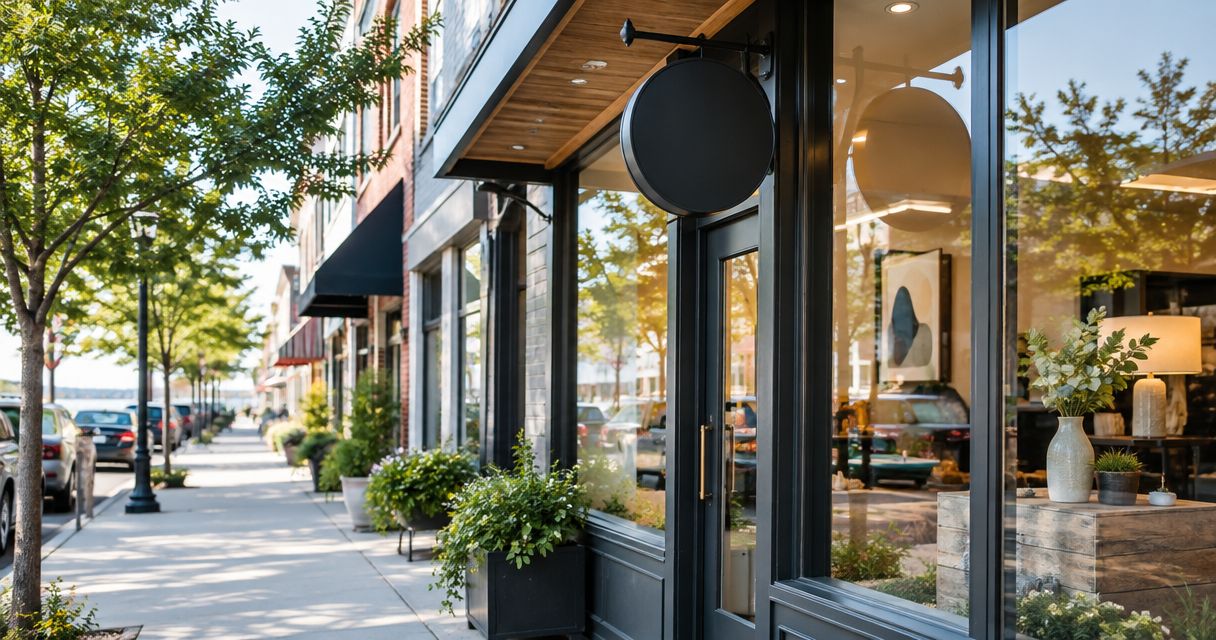
Aluminum composite material, often called ACM, has aluminum faces bonded to a core. It provides a flat surface for printed graphics or applied lettering. For a storefront fascia or wall panel, that construction makes it a practical starting point.
Specify the actual panel grade rather than approving a quote that says only composite. The mounting method, exposed edges, and graphic finish belong in the same conversation. A panel should be selected as part of an installed assembly, not as an isolated sheet.
Aluminum composite pros:
- Flat faces suit readable business names and service messages.
- Composite construction reduces weight compared with a comparable solid metal section.
- Works as a backing panel for a coordinated storefront layout.
Aluminum composite cons:
- Cut edges need an intentional finishing approach.
- Panel grade and mounting design still determine suitability for the location.
Best for: A permanent, flat business identification sign above an entrance or on a storefront wall.
Verdict: Buy aluminum composite for a flat permanent panel once the mounting details are confirmed.
2. Solid aluminum: best for smaller exterior identification panels
Solid aluminum is a metal sheet rather than a layered composite. It suits compact exterior signs such as entrance identification, parking instructions, and directional panels. Aluminum does not develop the red rust associated with iron, but that does not make its finish or fasteners maintenance-free.
Choose the thickness and support for the actual panel dimensions. A small panel attached to a suitable backing is a different job from a broad sheet spanning between supports. Ask how the edges and attachment points will be finished.
Solid aluminum pros:
- Suits compact exterior information panels.
- Has no plastic core exposed at cut edges.
- Accepts printed graphics or applied lettering.
Solid aluminum cons:
- Thin sheet can flex without appropriate support.
- Dents and edge damage remain visible.
Best for: Smaller exterior identification and directional signs around your storefront.
Verdict: Buy solid aluminum for compact exterior panels; hold on broad unsupported layouts.
3. Acrylic: best for dimensional storefront details
Acrylic is a rigid plastic available in clear and colored forms. Cut acrylic letters and shapes create depth that a flat printed panel cannot. Certain acrylic grades also serve as faces in illuminated sign systems, but lighting requires a separate design decision.
Use acrylic when the shape and finish are central to the storefront design. Do not choose it simply because a sample looks glossy. Letter size, attachment, handling, and exposure still need approval.
Acrylic pros:
- Produces clean-cut letters and logo shapes.
- Offers a smooth face for a finished appearance.
- Can form part of a purpose-designed illuminated sign.
Acrylic cons:
- Can crack under impact or stress.
- Surface scratches and attachment details need attention.
Best for: Dimensional lettering and decorative storefront identity where finish matters more than a single printed panel.
Verdict: Buy acrylic for dimensional detail; skip it as an automatic substitute for a metal-backed panel.
4. Rigid PVC: best for protected indoor storefront displays
Rigid PVC sign board is a plastic sheet commonly used for interior lettering, display panels, and information signs. It is straightforward to cut and fabricate. For a customer-facing interior wall, it offers a different solution from a metal exterior panel.
Keep the placement specific. Do not assume an interior PVC display board is suitable for a sun-exposed exterior wall. Heat movement, panel size, finish, and fastening all need consideration before using it outside.
Rigid PVC pros:
- Works for interior lettering and display shapes.
- Provides a rigid backing for printed information.
- Suits protected displays viewed at close range.
Rigid PVC cons:
- Heat and exposure complicate exterior applications.
- Surface damage can detract from a close-view display.
Best for: Interior service boards, reception displays, and protected information panels.
Verdict: Buy rigid PVC for protected interior use; hold on exterior placement until the specific grade is approved.
5. Window vinyl: best for storefront lettering on glass
Window vinyl is an applied graphic, not a freestanding sign panel. It uses your existing glazing for business names, opening hours, service lists, or promotional artwork. Different films serve different purposes, so lettering, privacy graphics, and promotional coverage should not share an automatic specification.
Keep essential information readable without covering every available pane. For a storefront planning vehicle lettering as well, coordinate the business name, phone number, and service message across both applications. The graphics can share a design direction without using the same film.
Window vinyl pros:
- Adds identification without a separate rigid panel.
- Supports cut lettering and printed graphics.
- Separates glass-level information from the main storefront sign.
Window vinyl cons:
- Coverage changes the view through the glass.
- Film selection must account for glazing, exposure, and removal needs.
Best for: Business identification and customer information directly on storefront windows or doors.
Verdict: Buy window vinyl for glass messaging; skip crowded layouts that hide the entrance or compete with your main sign.
6. Corrugated plastic: best for temporary storefront promotions
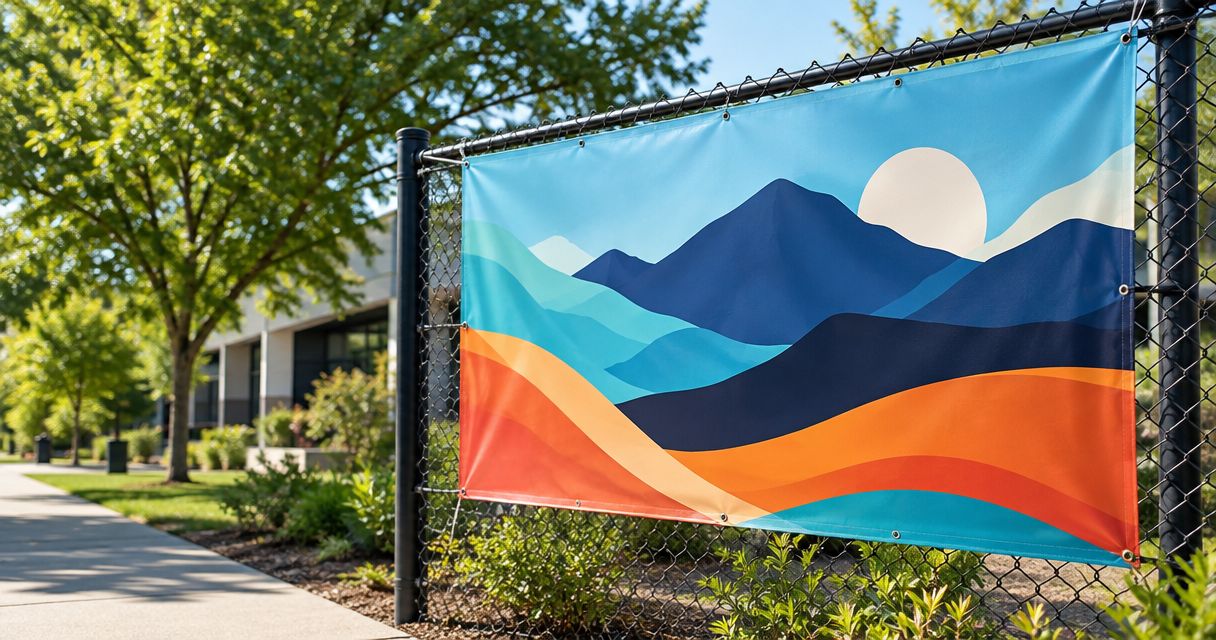
Corrugated plastic has a fluted structure between thin outer faces. It works for temporary messages where low weight and simple handling matter. Treat it as a promotional component, not the default face of your permanent business identity.
Plan the support and removal before ordering. A temporary panel still needs secure placement, permission where required, and a clear message. Its lightweight construction does not remove those responsibilities.
Corrugated plastic pros:
- Easy to handle for changing promotional messages.
- Provides a printable face for temporary signs.
- Keeps short-term announcements separate from permanent identification.
Corrugated plastic cons:
- Visible flutes and edges look less finished at close range.
- Flexible panels need suitable support and fastening.
Best for: Temporary announcements and short-term storefront promotions.
Verdict: Buy corrugated plastic for a temporary message; skip it for the main permanent storefront sign.
Build a useful quote brief before choosing a sheet
For your 2026 sign project, give Image Monster a brief that covers the installed result. A photo and a clear purpose are more useful than asking for a material by name without describing the job.
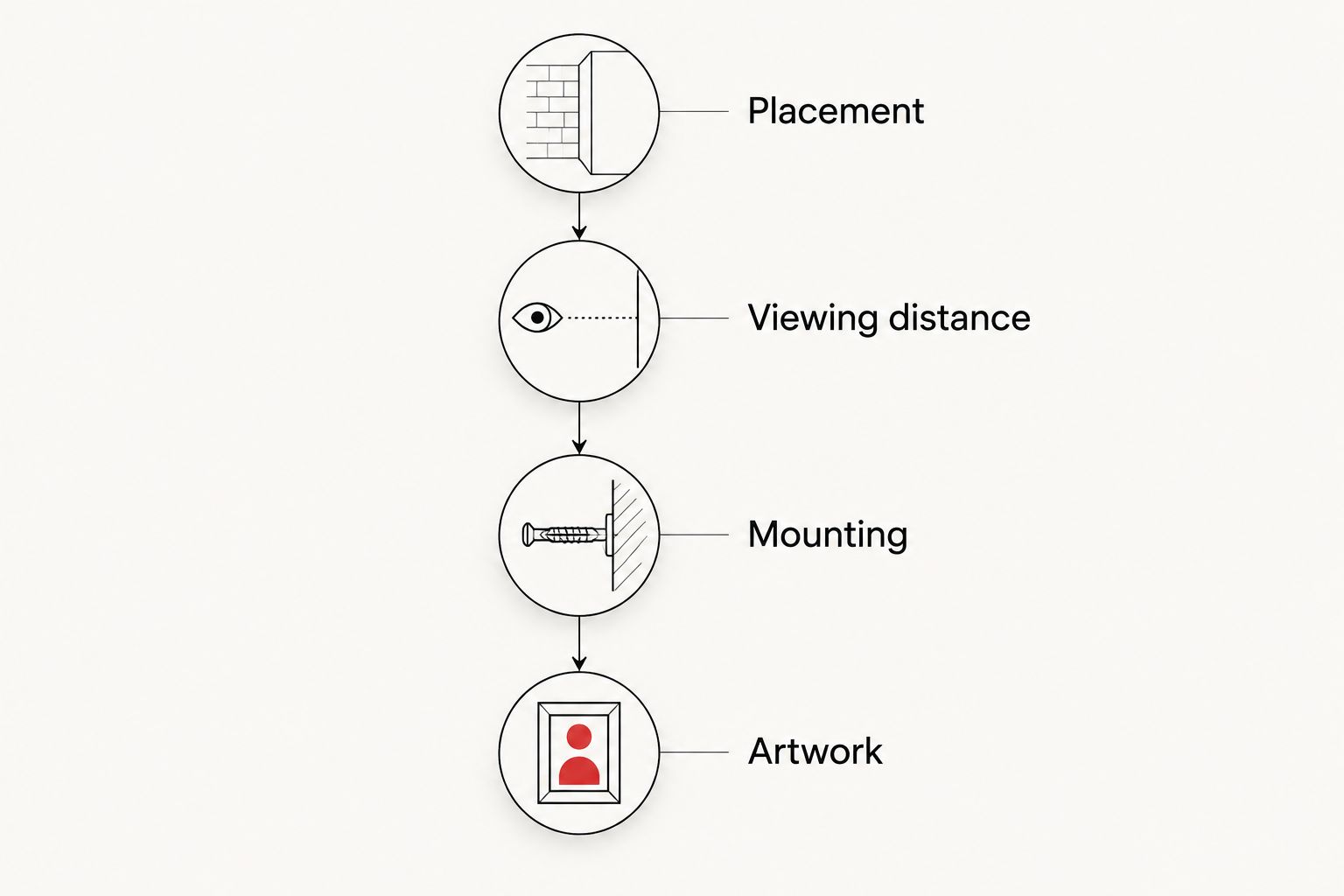
Use this sequence:
- Placement: Photograph the wall, entrance, windows, and existing sign structure. Identify what stays and what comes down.
- Viewing distance: Check 2 viewing conditions: approaching the storefront and standing at the entrance. Decide what must be readable in each.
- Mounting: Identify the wall or frame and any landlord restrictions. Ask who will confirm the attachment details.
- Artwork: Choose 1 primary message for the main sign. Supply your logo files, exact wording, and separate requirements for windows or vehicles.
Ask for the substrate, graphic treatment, edge finish, and mounting approach to be identified separately. That makes different proposals easier to compare. It also prevents a material name from hiding important differences in the finished work.
If vehicle wraps or lettering are part of the same project, bring vehicle photos and the exact business message. Keep the identity consistent, but specify storefront graphics and vehicle graphics for their own surfaces.
How these materials are ranked
This 2026 ranking prioritizes permanent storefront identification first, then assigns distinct roles to dimensional details, interior displays, glass graphics, and temporary promotions. The criteria are exposure, readability, mounting, appearance, replacement needs, and site requirements.
It is a material-selection guide, not a durability test or a promise about a particular installation. The final specification needs to match your building and approved design.
Which storefront sign material should you choose?
Choose aluminum composite if you need a permanent flat storefront panel and have not identified a reason to use something else. Choose solid aluminum for compact exterior information panels, and acrylic when dimensional lettering is the goal.
Use rigid PVC for protected indoor displays, window vinyl for glass, and corrugated plastic for temporary announcements. For your 2026 storefront update, separate those jobs instead of forcing one material to do everything.
FAQ
What's the best sign material for a Wilmington storefront?
Aluminum composite is the best starting point for a permanent flat storefront panel. The specific panel grade, graphics, edges, and mounting method still need to suit the building.
Is solid aluminum better than aluminum composite for signs?
Solid aluminum is better suited to compact exterior information panels, while aluminum composite is a practical choice for broader flat storefront panels. Neither material removes the need to specify support and attachment.
Can I use acrylic for an outdoor business sign?
Acrylic can be used in outdoor sign applications when the grade, dimensions, and attachment suit the job. It works particularly well for dimensional details, but impact and stress can cause cracking.
Is rigid PVC a good choice for an exposed storefront sign?
Rigid PVC is not the default choice for an exposed storefront sign. Use it for protected indoor displays unless the specific material and installation have been approved for the exterior conditions.
Should I use window vinyl instead of a main storefront sign?
Window vinyl is best for information on glass, not an automatic replacement for the main storefront sign. Keep the business name readable and decide how much visibility through the glass you want to retain.
Can my storefront sign and vehicle lettering use the same design?
Your storefront sign and vehicle lettering can share a business name, colors, and message. Adapt the layout and material specification to each surface rather than copying the artwork unchanged.
What should I bring when requesting a storefront sign quote?
Bring location photos, intended wording, logo files, and any landlord requirements. Include window and vehicle photos if those graphics are part of the project.
One last thing
A material sample cannot show you whether customers will find the entrance. Before approving your 2026 sign, stand where customers first approach and check whether the business name, doorway, and main message work together.
Call Image Monster at (910) 313-1154 or visit 4724 New Centre Dr in Wilmington to discuss your storefront sign, vehicle wrap, or lettering project. Bring photos and your message. Request a quote built around the actual location—not just a sheet of material.